Tina Butler · 21 September 2026
Biodegradable Innovations Transform Gold Leaf Usage in High-End Packaging Solutions
Gold leaf applications in luxury packaging have evolved considerably as manufacturers integrate biodegradable components into traditional gilding processes, and this shift aligns with regulatory changes that took effect across multiple regions by mid-2025. Companies producing high-end cosmetics, spirits, and confectionery now combine ultra-thin gold layers with plant-based carriers and water-soluble adhesives that break down under industrial composting conditions. Researchers at several European institutions documented these material combinations in peer-reviewed studies released during 2024, noting that the new formulations maintain visual brilliance while reducing persistent waste.
Material Developments and Production Techniques
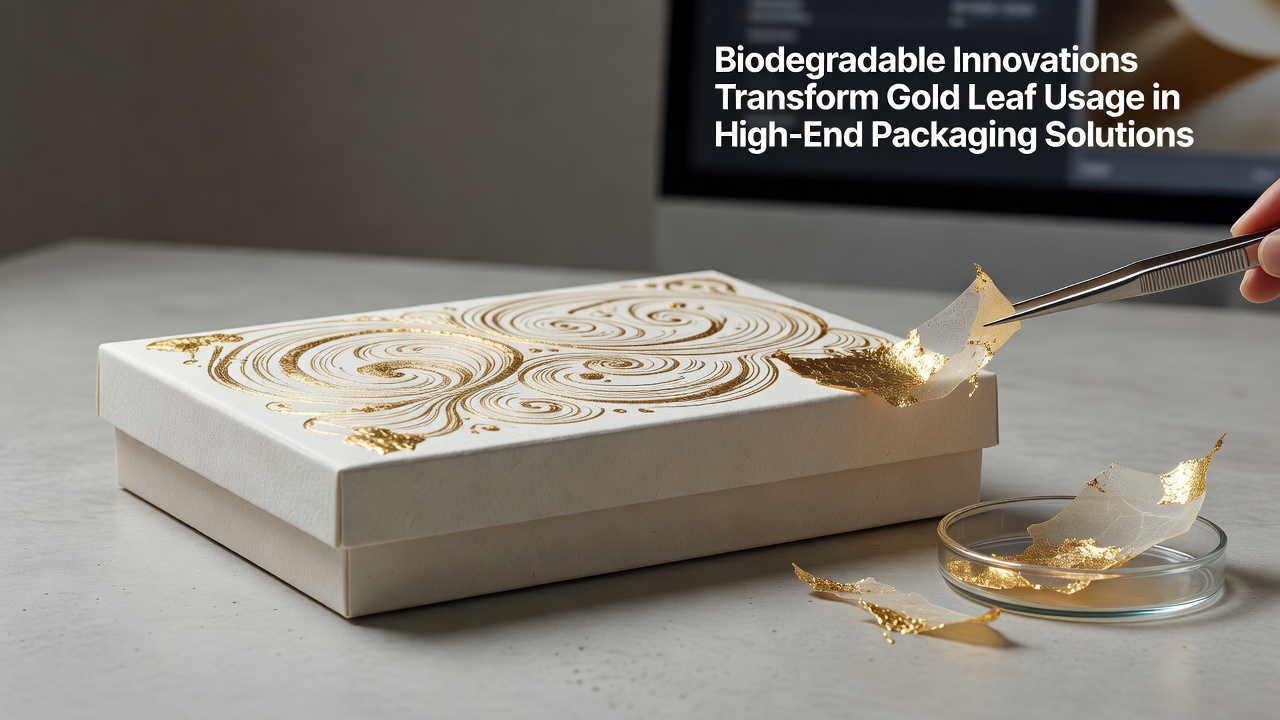
Production workshops in Italy and Japan have adopted cellulose-derived films as backing layers for gold leaf sheets, replacing conventional plastic films that previously complicated recycling streams. These films dissolve during standard pulping processes used by paper mills, allowing the gold to separate cleanly for recovery. Data from the Sustainable Packaging Coalition indicates that adoption rates for such hybrid materials rose 28 percent among luxury goods suppliers between 2023 and 2025. Technicians apply the gold through precision rollers calibrated to deposit layers measuring 0.1 micrometers, a thickness that preserves opacity yet permits the biodegradable substrate to degrade without interference from metallic particles.
Adhesive formulations have also changed, with manufacturers substituting casein-based glues and starch derivatives for synthetic resins. One study conducted at Wageningen University found that these natural adhesives achieve bond strengths comparable to older products while achieving 95 percent biodegradation within 12 weeks under controlled composting parameters. Workshops report that the switch requires adjustments in humidity control during application, yet the process integrates into existing gilding lines without major equipment overhauls.
Market Adoption Across Regions
European luxury brands led early implementation, driven by the EU Packaging and Packaging Waste Regulation that set targets for recyclable and compostable content by 2030. Brands in the United States followed after the Environmental Protection Agency published updated guidelines on extended producer responsibility in late 2025. Australian and Canadian producers have since introduced similar lines, citing alignment with their national plastic reduction strategies. Observers note that the September 2026 Global Sustainable Packaging Forum in Singapore will feature case studies from these markets, including performance metrics on shelf-life stability and consumer unboxing experiences.
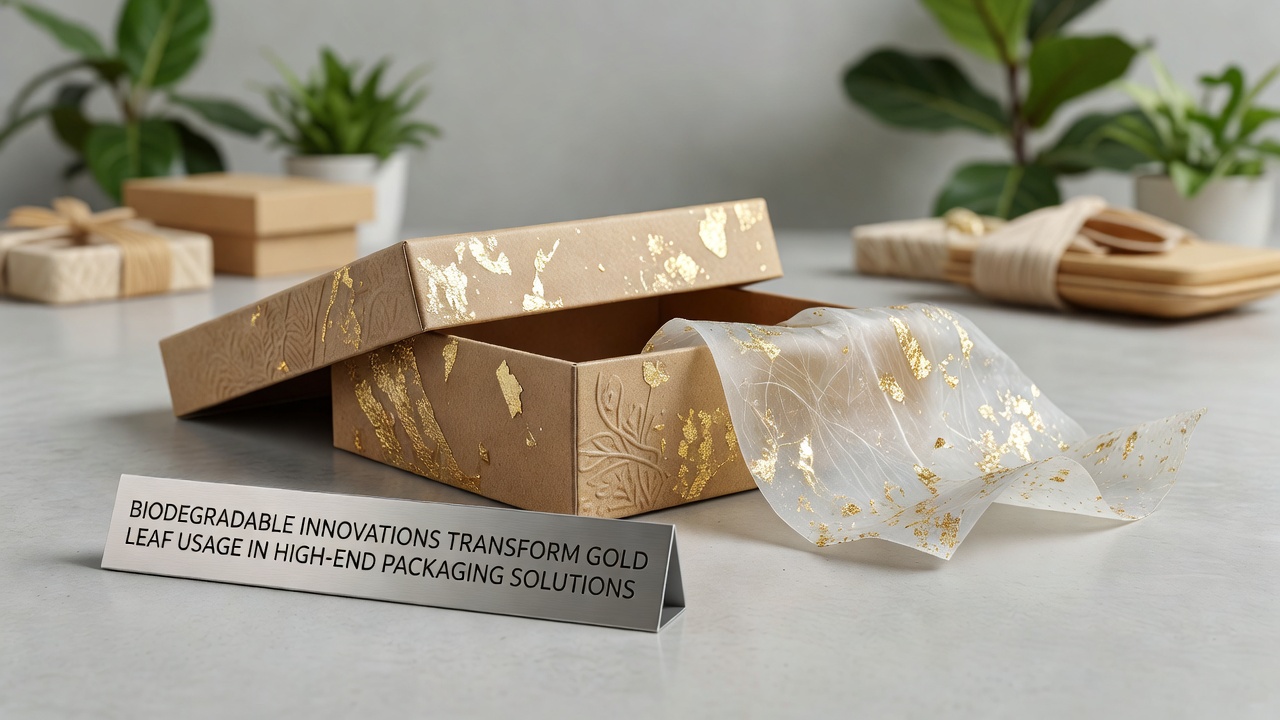
Supply chain adjustments support this transition. Gold beating operations in Thailand and South Korea now receive specifications for leaf size and purity that match the new substrates, while logistics partners use moisture-resistant containers to prevent premature degradation during transit. Figures released by the World Gold Council show that industrial demand for gold in packaging applications grew modestly through 2025, with biodegradable variants accounting for an increasing share of that volume.
Performance Testing and Regulatory Compliance
Independent laboratories conduct standardized tests to verify that finished packages meet both aesthetic and environmental criteria. These evaluations measure color retention after accelerated aging, adhesion under varying temperatures, and disintegration rates in composting facilities certified to ASTM D6400 standards. Results shared at industry conferences confirm that properly formulated products retain metallic luster for the typical product lifecycle of 18 to 36 months. Regulatory bodies in the EU and Canada require third-party verification of these claims before companies may label items as compostable, creating a documented pathway for market entry.
Challenges remain in scaling production volumes and maintaining cost parity with conventional materials. Suppliers address these issues through incremental process improvements rather than wholesale reinvention, and collaboration between gold leaf artisans and materials scientists continues to refine formulations. Trade data from 2025 reveals that exports of biodegradable gold leaf products from Southeast Asian workshops increased as global designers incorporated the materials into seasonal collections.
Conclusion
Biodegradable innovations continue to reshape how gold leaf integrates into high-end packaging, supported by coordinated advances in materials science, regulatory frameworks, and manufacturing practices. The trajectory established through 2025 and into the September 2026 forum suggests further refinement as testing protocols mature and supply networks stabilize. Those tracking the sector observe measurable progress toward packaging solutions that preserve luxury presentation while meeting compostability benchmarks across international markets.