Willa Weber · 19 October 2026
Mining Communities Adapt Extraction Methods Amid Growing Focus on Ethical Sourcing for Artistic Materials
Communities involved in mineral extraction have begun shifting their approaches to meet rising demands for ethically sourced materials used in art production, and these changes reflect broader industry pressures that started gaining momentum years ago. Data from international monitoring groups shows increased adoption of low-impact techniques in regions where gold and other metals supply gilding, pigment creation, and sculpture work. Reports indicate that by October 2026 several operations had implemented mercury-free separation processes alongside improved labor tracking systems, and these adjustments align with traceability requirements now common in creative supply chains.
Shifts in Extraction Practices
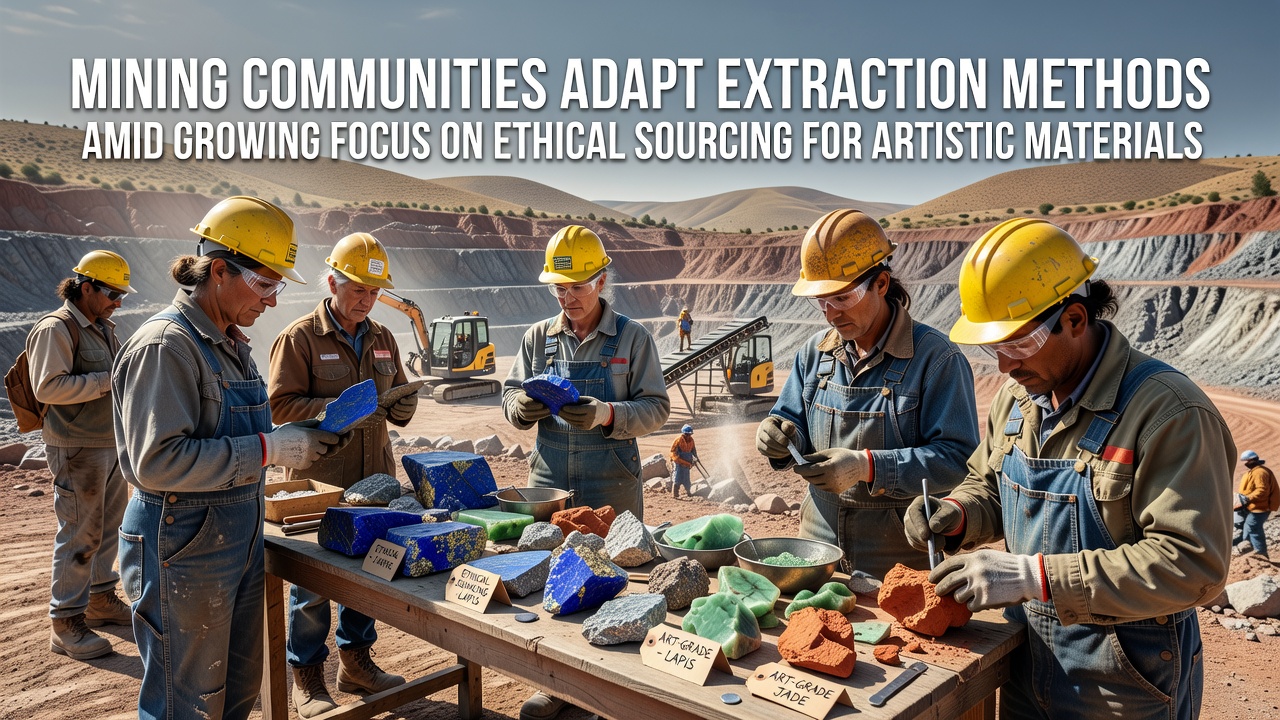
Operators in key mining areas have replaced traditional chemical-intensive methods with gravity-based separation systems combined with controlled water recycling, and this transition reduces environmental discharge while maintaining output levels for materials destined for artistic applications. Research compiled by academic institutions reveals that communities in parts of South America and Africa have installed solar-powered crushing equipment, which cuts diesel dependency and supports consistent production of high-purity metals required by European and North American art suppliers. Figures released through industry tracking programs confirm that certified ethical output grew steadily through 2025 into 2026, driven partly by requests from manufacturers of gold leaf and related products.
Workers in these locations now follow structured safety protocols that include regular health screenings and documented wage agreements, and such measures address longstanding concerns raised by oversight organizations. One operation in Colombia documented a 30 percent reduction in chemical use after introducing bio-leaching alternatives, according to data shared with regional environmental agencies, while similar adaptations appeared in Australian sites focused on supplying specialty metals for contemporary installations. These modifications allow communities to maintain revenue streams without violating emerging standards tied to artistic material provenance.
Role of Certification and Traceability Systems
Programs developed by international bodies have encouraged the uptake of blockchain-style tracking for mineral batches, and this technology lets buyers verify that gold or copper entering art studios originated from compliant sources. A study conducted through university research networks in Canada highlighted how small-scale operations integrated mobile apps for real-time reporting on extraction volumes and labor conditions, creating records that satisfy gallery and atelier procurement policies. By October 2026 several Southeast Asian cooperatives had completed audits under frameworks established by the Responsible Mining Foundation, resulting in expanded access to markets that prioritize verified materials for high-end bookbinding and decorative arts.
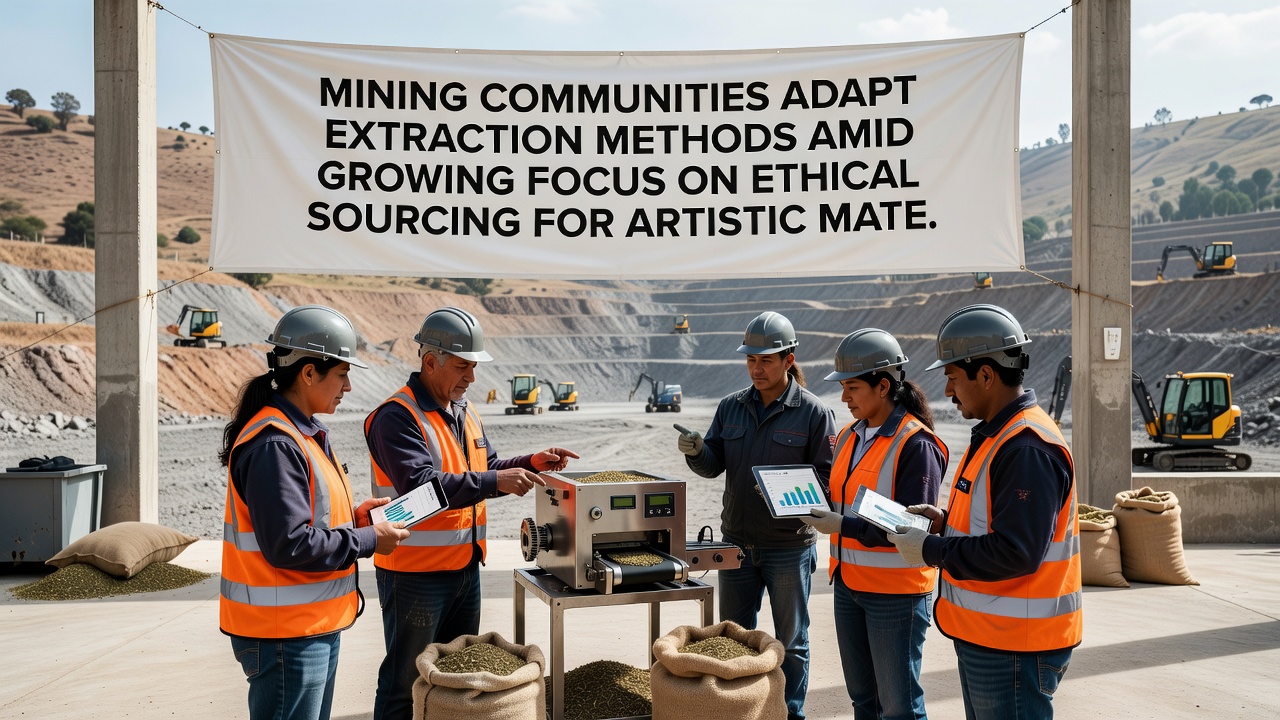
European Union regulations on supply chain due diligence have influenced these developments, prompting communities to document every stage from extraction to export, and parallel guidelines from Australian authorities have reinforced similar expectations for metals used in creative industries. Observers note that communities adopting these systems often report steadier partnerships with overseas buyers, since documented compliance reduces delays at customs and during quality checks. Data indicates participation rates in such programs rose notably between 2024 and 2026, reflecting coordinated efforts across multiple continents.
Effects on Artistic Material Supply Chains
Suppliers of materials for gilding and metalwork have responded by adjusting sourcing contracts to favor certified lots, and this adjustment has prompted mining groups to scale up training in modern separation techniques. Evidence gathered by trade monitoring services shows that demand for responsibly extracted gold used in restoration projects and contemporary sculpture increased during the first three quarters of 2026, with particular emphasis on batches traceable to audited sites. Communities that implemented these changes early have secured longer-term agreements with manufacturers who produce leaf and foil products for global distribution.
Additional adaptations include the introduction of closed-loop water systems that minimize waste while processing ore for pigment-grade minerals, and researchers at several technical institutes have published findings on how these systems maintain metal purity standards required by artists. In regions where traditional methods once dominated, cooperatives now coordinate equipment sharing programs that lower individual costs and accelerate the shift away from outdated practices. Reports compiled through multi-country collaborations confirm measurable declines in reported incidents of unregulated chemical handling at participating sites.
Conclusion
Communities engaged in mineral extraction continue refining their methods to align with expectations for ethical sourcing in artistic applications, and the patterns observed through October 2026 illustrate steady integration of cleaner technologies alongside formalized labor practices. Regulatory frameworks from various regions have supported these transitions by establishing clear benchmarks for traceability and environmental performance. Ongoing data collection from monitoring organizations indicates further refinements are underway, particularly in areas supplying specialty metals to creative sectors worldwide.